
Criminal Cases in the Putnam County Courts
Putnam County criminal cases do not all begin and end in the same courtroom. General Sessions Court hears misdemeanors within its jurisdiction and handles warrants, citations, initial appearances, bond questions, and preliminary hearings in felony matters. A felony that is transferred or indicted moves to Criminal Court in Tennessee's 13th Judicial District for arraignment, motions, a plea or trial, judgment, and sentencing. Cookeville Municipal Court has a narrower ordinance and traffic role. Its file is not a substitute for the Putnam County criminal docket.
The Circuit Court Clerk serves as custodian for Putnam County's participating criminal dockets. The clerk records filings, settings, pleas, orders, judgments, sentence terms, and costs under Tennessee Rule of Criminal Procedure 55. Judges and prosecutors take part in the case, but neither office replaces the Putnam County clerk when a reader needs the official file or a certified copy. The Putnam County court named on the calendar matters because the same event can have a General Sessions case first and a Criminal Court file later.
Putnam County Criminal Court Parts
Putnam County's local Criminal Court has three parts within a seven-county judicial district. The courts are listed at the Justice Center, while Criminal Court chambers have also been listed nearby at 321 East Spring Street. That split can confuse a person who finds a judge in a district directory and assumes the case file sits in chambers. The public record stays with the clerk. Current judicial assignments should be confirmed because district judges serve more than Putnam County.
The Tennessee courthouse directory provides the official statewide listing. Its Putnam entry also gives context for where Circuit, Criminal, and Chancery work is based.
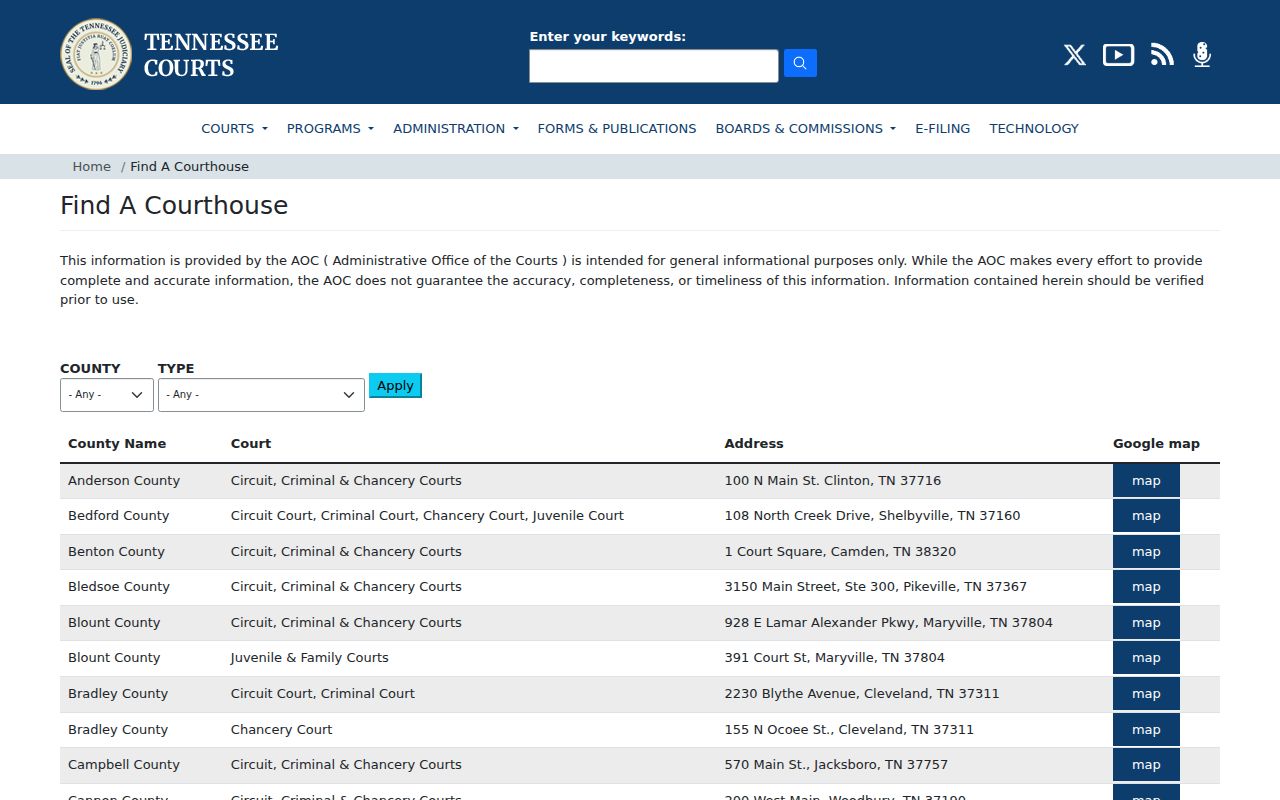
The directory is a routing aid, while Putnam County case records and copy requests still run through the local clerk.
How to Search Case Records
Putnam County's online route is a set of dated Criminal Court and General Sessions docket PDFs, not a complete historical name database. Choose the court and hearing date, open the calendar, and use the browser or PDF viewer's find command. An exact name may help within one file, but a case number is safer. If the date is unknown or the name does not appear, contact the Putnam County clerk rather than treating the blank result as proof that no criminal case exists.
- Open the Putnam County Circuit Court Clerk page and choose a dated Criminal Court or General Sessions docket.
- Search the PDF for the displayed name or a case number such as the observed 71CC1-year-CR-number format.
- Check the court, hearing date, filing date, and counsel so two people with similar names are not merged.
- Read the hearing type and notes, but do not mistake the calendar charge or setting for the final result.
- Call or visit the Putnam County clerk for the judgment, plea or verdict, sentence, certified copy, archived file, or event not shown online.
The official clerk page shows the local record route and dated docket links.

It should be the next stop when the public calendar lacks a document or a final disposition.
| Field or control | Type | Required | Use and limit |
|---|---|---|---|
| Court/date link | PDF link | Yes | Separate Criminal Court and General Sessions dates |
| Browser/PDF Find | Local text find | No | Finds only the exact text displayed in that file |
| Case number | Displayed field | No input | Observed as 71CC1-YYYY-CR-NNN, sometimes with A or B |
| Clerk inquiry | Phone or counter | Fallback | Needed for the full, certified, old, or archived file |
Putnam Dockets Are Calendars
A posted Putnam County docket tells readers what is set for a given date. It can display the run date, court, judge, case number, party style, defendant, attorney, counts, statute code, charge text, filing date, bond information, and hearing notes. It does not attach every pleading, judgment, exhibit, or cost entry. The calendar is therefore a locator, not the complete case file. A missing name may mean the case is set on another date, archived, spelled differently, sealed, or simply not on that day's list.
The Tennessee Public Court Records System is another official court interface, but the research did not confirm it as a dependable, comprehensive historical Putnam name search. Use it as an added route, then confirm the result with the Putnam County clerk.
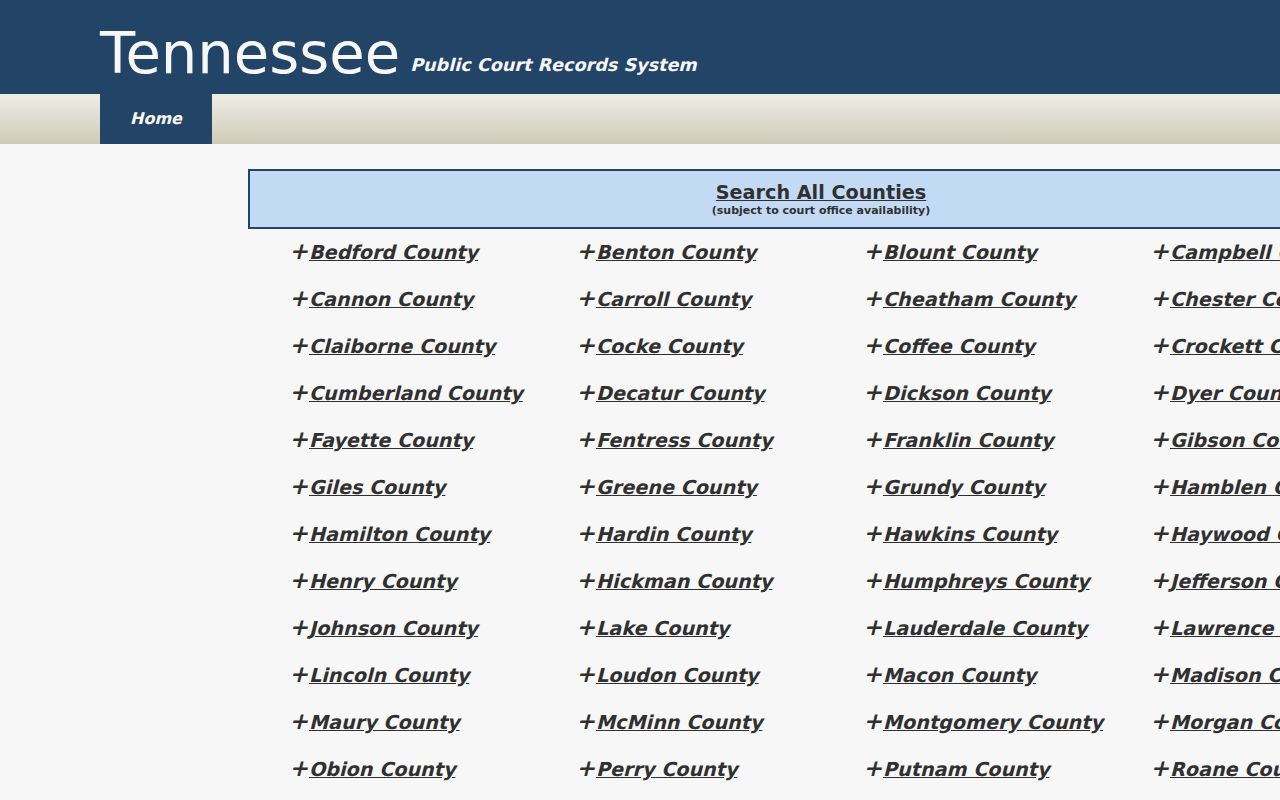
This screen illustrates why portal coverage must be checked before assuming one statewide search contains every Putnam County trial record.
Note: A dated calendar can locate a hearing, but only the Putnam County court file can establish the final result and sentence.
What the Case File Shows
A Putnam County case file is built around filed events, not just the charge recorded at arrest. The most useful items are the charging paper, docket entries, plea or verdict, judgment, sentence, and any later order. Those documents show whether a charge was changed, dismissed, resolved through diversion, tried, or carried into post-judgment work. Costs can appear in a ledger, but Putnam County's posted criminal-cost PDF is labeled effective January 1, 2008. It is historical evidence, not a promise of today's copy or court charges.
| Case number and court | Identifies the correct Putnam County file, division, and procedural level. |
|---|---|
| Charging document | Shows the filed accusation, such as a complaint, citation, information, or indictment. |
| Docket entries | List filings, settings, orders, motions, pleas, and other recorded events. |
| Hearing dates | Show past or set proceedings and the hearing type. |
| Disposition and judgment | Record dismissal, acquittal, nolle prosequi, diversion, plea, verdict, or conviction. |
| Sentence and conditions | State confinement, probation, costs, restitution, or other terms ordered by the court. |
Ask the clerk to distinguish a plain copy from a certified copy. Certification is useful when the authenticity of the Putnam County court document itself must be established.
Read Putnam Criminal Case Codes
Putnam County calendars use short labels that can look like outcomes even when they describe only the next stage. “Bound Over Status” means a felony matter has moved beyond the General Sessions preliminary phase; it is not a conviction. “Negotiation Deadline” marks a case-management point. “Sentencing” identifies a hearing after a plea or finding, while “DOC Probation Hearing” and “CPS Violation Probation” identify supervision-related settings. A note stating “Capias Served for FTA” refers to arrest process tied to a failure to appear.
- Disposition
- The recorded result of a charge, such as dismissal, acquittal, conviction, or nolle prosequi.
- Indictment
- A grand jury's formal felony accusation, not proof of guilt.
- Surety bond
- A bond backed by a surety or bonding company to secure appearance.
- Capias
- Court process commanding arrest, often after failure to appear or comply.
- Nolle prosequi
- The prosecutor's formal choice not to continue a charge at that time.
General Sessions calendars may also use M/A, M/B, M/C, F/E, and M/U as class abbreviations. The filed count and judgment should control any conclusion about the offense or outcome.
Stages of a Criminal Case
A Putnam County criminal case may begin with an arrest or citation and an initial appearance in General Sessions. The court addresses release, and a felony generally proceeds to a preliminary hearing unless that step is waived. Prosecutors then review the charge. Grand-jury action and indictment place a felony in Criminal Court, where arraignment, discovery, motions, a negotiated plea or trial, judgment, and sentencing follow as the case requires.
Case flow: Charges Filed › Arraignment › Pretrial › Plea or Trial › Disposition › Sentencing
The booking charge can change before indictment. That is why a jail entry, a General Sessions calendar, and a Criminal Court judgment may describe the same event in different terms. The final Putnam County judgment is the sound source for the court outcome. An appeal or post-judgment motion can add a later layer without changing what an older calendar displayed.
Putnam Criminal Records Counter
Putnam County Circuit Court Clerk Jennifer Wilkerson's office is at 421 E. Spring St., Room 1C, Suite 49A, Cookeville, TN 38501. Call 931-528-1508 or email jennifer.wilkerson@putnamcountytn.gov. Give the party name and case number when known, identify the court, and say which document is needed. Ask whether the file can be inspected, whether it is archived, and what current plain-copy, certification, archive, research, and payment charges apply before ordering.
The official General Sessions page is the source for the court's local routing and contact details.
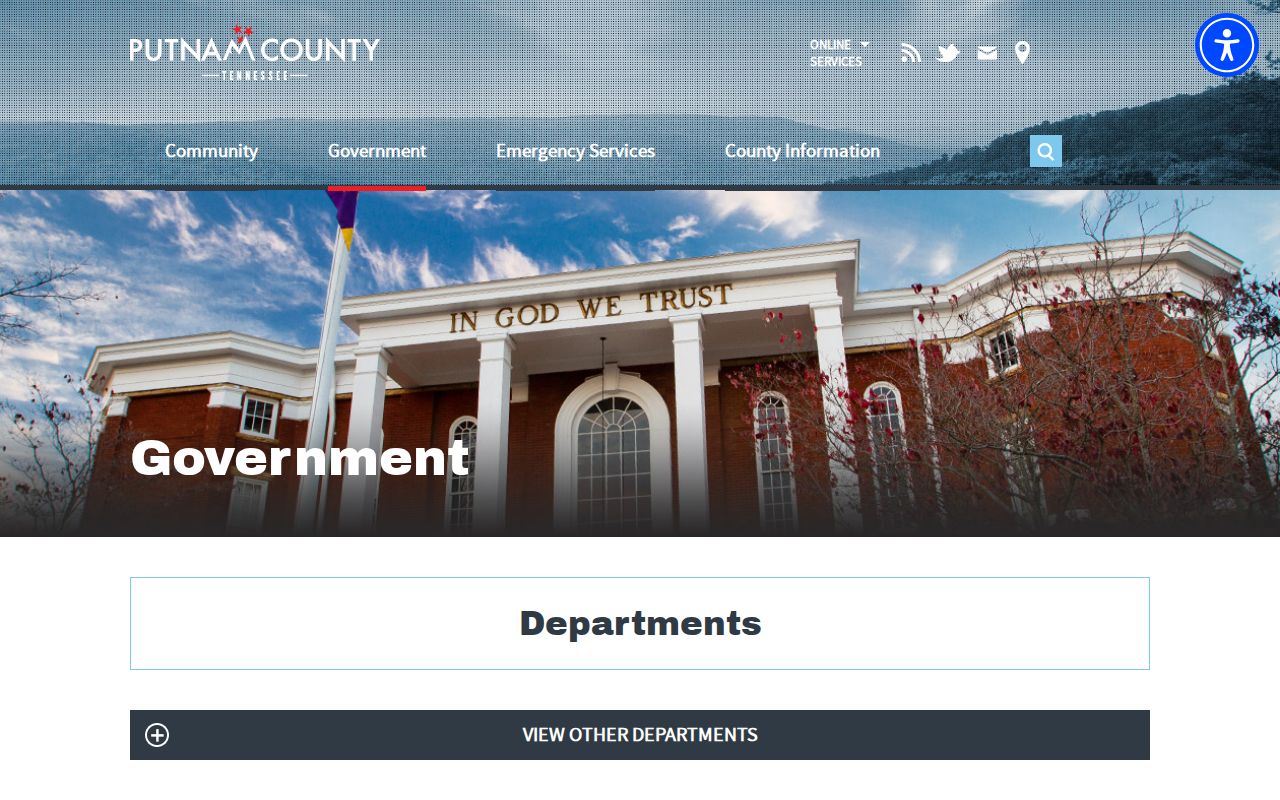
The General Sessions page also directs court-date and court-cost questions to the clerk, not the judges' office.
Putnam County Circuit Court Clerk
421 E. Spring St., Room 1C, Suite 49A
Cookeville, TN 38501
931-528-1508
Fax: 931-526-2004
Putnam Cases Reach the Grand Jury
A felony normally starts in General Sessions with an initial appearance, a release decision, and a preliminary hearing unless that hearing is waived. If the case is bound over, the grand jury may consider an indictment before the matter reaches Criminal Court. The District Attorney represents Tennessee and decides which criminal charges to prosecute in the 13th Judicial District. Putnam's criminal division is at 1519-A East Spring Street in Cookeville.
The prosecutor may file or pursue a charge, but that office is not the public custodian for certified dockets. Readers seeking a plea, judgment, or sentence should use the Putnam County clerk. Victims should use the District Attorney's direct services for case participation rather than seek nonpublic prosecution files through a broad records request.
The official District Attorney page shows how the seven-county prosecutorial district is organized.
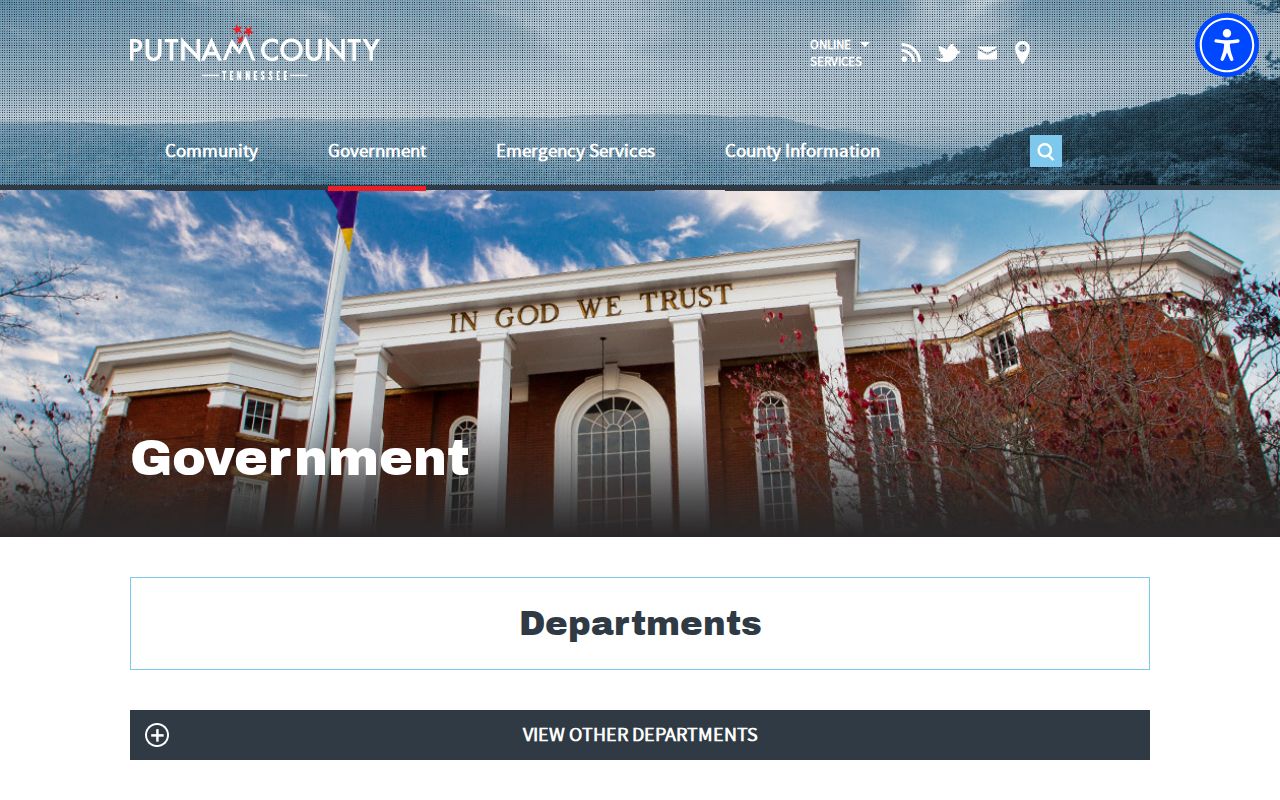
The district structure explains why a prosecutor or judge may have a regional listing while the Putnam County case file remains local.
Access & Restrictions
The Tennessee Public Records Act supports access to state and local records unless another law makes material confidential. Court records also protect specified information under T.C.A. § 10-7-504 and court rules. Sensitive identifiers, protected victim information, medical data, juvenile material, and sealed or expunged cases are not opened merely because they relate to a criminal charge. A public copy may be redacted even when the rest of the Putnam County file is available.
When a case does not appear online, ask the Putnam County clerk whether it is on a different date, archived, kept in another court, or restricted. A requester should identify an existing record rather than ask the office to create an analysis. If access is denied, ask for the legal basis and whether a segregated, redacted copy can be supplied. Under Tennessee's citizen-access rule, the custodian may seek reasonable proof of Tennessee citizenship for a public-records request.